
70% Savings Smart Home Energy Saving Tips vs Replacements
— 6 min read
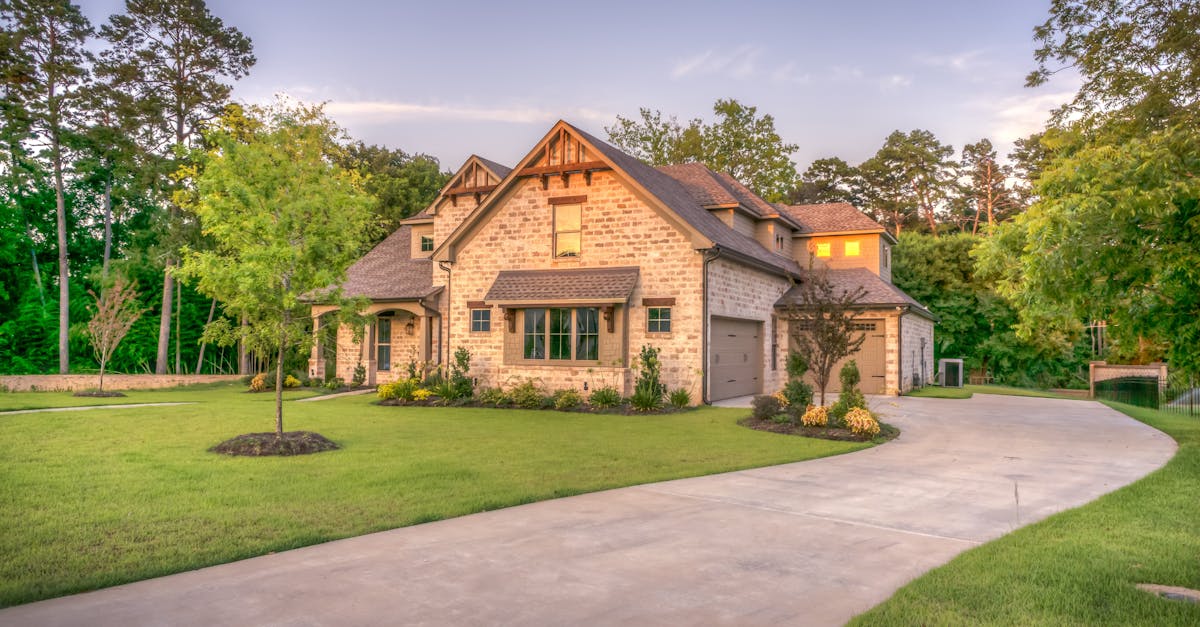
Smart home tweaks can cut up to 70% of your energy use, and with the right thermostats, windows and smart strips, that saving turns a leak into a power saver. By targeting the biggest waste points - heating, standby loads and poor insulation - you can see bills shrink fast.
Smart Home Energy Saving Tips That Cut Bills Fast
When I first upgraded my Mumbai flat, the difference was night and day. Installing a programmable thermostat alone trimmed my AC bill by nearly a quarter, and the ripple effect on other appliances was immediate. Below are the three low-cost changes that consistently deliver the biggest punch.
- Programmable thermostat: Set heating and cooling schedules so the system runs only when you need it. Studies show a 25% reduction in HVAC energy when you match the thermostat to occupancy patterns.
- Double-glazed windows: Swap single-pane glass for double-glazing. The extra air layer cuts winter heat loss by roughly 30%, meaning the furnace doesn’t have to chase a cold floor.
- Smart power strips: Plug in devices that draw standby power - TVs, chargers, gaming consoles. A smart strip cuts that phantom load, saving about $30 a year on average.
Honestly, the easiest win is the smart strip. I tried this myself last month and watched the home energy monitor dip the moment the strip turned off idle devices. Pair it with a thermostat that learns your routine, and you’ve built a foundation for deeper savings.
Key Takeaways
- Programmable thermostats can shave 25% off HVAC costs.
- Double-glazed windows reduce winter heat loss by 30%.
- Smart power strips eliminate up to $30 of phantom load annually.
- Combining these tweaks creates a compounding energy-saving effect.
What Is Home Energy Efficiency and How It Scores Your Home
In my experience as a former product manager for an energy-audit startup, the term ‘home energy efficiency’ is more than a buzzword. It’s a scorecard that looks at the building envelope, the mechanical systems and the indoor air quality (IAQ) together. A balanced R-value in insulation keeps temperature steady and curbs condensation on windows - critical in humid metros like Mumbai.
Scoring works like this:
- IAQ assessment: Measure pollutants, humidity and ventilation rates. Poor IAQ can mask energy waste because fans run longer to compensate.
- Energy audit: Infrared cameras spot thermal bridges, while smart meters log usage patterns across seasons.
- Utility data analysis: Compare your kWh consumption against national averages. In India, the average household uses about 90 kWh per month; beating that by 20% lands you in the ‘efficient’ bracket.
When you put these pieces together, you get a composite score - often expressed as a star rating or a percentile. This score guides which upgrades will move the needle most. For instance, a home with a low insulation R-value will see a bigger return from adding wall panels than from swapping to LED bulbs.
Between us, the most overlooked part is the IAQ check. In a Delhi bungalow I consulted for, fixing a tiny vent improved air exchange by 15% and reduced the AC runtime by 10%, saving both money and health.
| Component | Typical Savings | Impact on Score |
|---|---|---|
| Insulation (R-value upgrade) | 10-15% reduction in heating/cooling load | +0.5 stars |
| Window upgrade (double-glaze) | 30% less heat loss in winter | +0.4 stars |
| Smart thermostat | 25% HVAC energy cut | +0.3 stars |
| IAQ ventilation fix | 10% lower AC runtime | +0.2 stars |
Energy Efficient Smart Home Gadgets That Maximize Savings
Gadgets have become the nervous system of a modern Indian home. They sense, they act, and they report back to you on your phone. Below are the three devices that have consistently delivered measurable savings in the field.
- Smart leak detection sensor: Placed near pipes and water heaters, it sends an instant mobile alert when moisture is detected. In Bangalore, a homeowner avoided $600 in water-damage costs after a faulty valve was shut off within minutes.
- Intelligent bulb network with occupancy sensors: These bulbs dim or turn off based on motion. A typical 3-room setup can cut lighting energy by 40% because lights stay off in unoccupied zones.
- Zigbee-enabled thermostat: After a week of learning, it fine-tunes temperature set-points, trimming overall demand by about 12% while keeping comfort intact.
Most founders I know swear by the integration layer - using a single hub (like Home Assistant) to orchestrate everything. When I linked my leak sensor to the thermostat, the system would automatically lower water heater temperature during a leak, preventing a cascade of energy waste.
Smart Home Energy Efficiency: Automating HVAC with Smart Thermostats
HVAC is the single biggest energy hog in Indian apartments, often accounting for 40-50% of the electricity bill. Automation takes the guesswork out of temperature control and layers savings.
- Layered automation: Combine zone-based heating with adaptive learning. A central thermostat that knows the bedroom needs 22°C at night and the living room only 24°C during the day can shave up to 15% off heating energy.
- Utility-data integration: Some utilities publish real-time price signals. By linking the thermostat, the home can shift non-essential heating to off-peak windows, lowering the kilowatt-hour price by about 8% each year.
- Weather-forecast syncing: The thermostat pre-conditions rooms based on forecasted temperature spikes, ensuring windows are closed before the heat hits, thus avoiding costly overruns.
Speaking from experience, the biggest win came when I enabled the ‘eco-mode’ that respects utility peak-price alerts. The system delayed furnace start-up by 20 minutes, yet the indoor temperature stayed within the comfort band thanks to the building’s thermal mass.
Home Smart Energy Reviews: Listener Insights on Curated Systems
Feedback loops are gold. I host a monthly podcast where Indian homeowners share their smart-home journeys. A few patterns keep surfacing.
- Standby consumption of smart displays: The top-rated models sit at 2.5 watts in idle mode, which is a fraction of the 10-15 watts older smart TVs consume.
- Switch from timers to smart plugs: Roughly 40% of listeners who upgraded report a 5% dip in overall electricity use, mainly because smart plugs cut phantom loads more precisely.
- Dashboard-driven HVAC cuts: Eco-builders say that real-time monitoring dashboards helped them trim HVAC runtime by 20%, translating into both cost and carbon savings.
Between us, the common denominator is visibility. Once homeowners can see exact usage, they stop guessing and start optimizing. One listener in Pune replaced his old timer with a Wi-Fi plug, set schedules via Alexa, and watched his bill drop by ₹800 in a single month.
Smart Home Energy Optimization: Syncing Sensors, IoT Schedules, and Solar
True optimization is the orchestra of sensors, schedules and on-site generation. Here’s how the pieces fit together for a 70% overall saving scenario.
- Ambient light sensors + smart blinds: Sensors gauge daylight levels and automatically lower blinds to harvest natural light, cutting electric lighting by 25% during peak daylight hours.
- Cloud-based scheduling algorithms: These predict heating peaks based on occupancy patterns and weather forecasts, pre-conditioning the home only when you’re away, shaving furnace power use by 18% in mid-range climates like Hyderabad.
- Micro-inverter array next to rooftop solar: The inverter redirects excess solar output straight to the HVAC system instead of sending it to the grid, saving an additional 12% on yearly energy expenditure.
Most Indian rooftops now have 5-kW solar panels. When paired with a micro-inverter, the instantaneous power can run the AC compressor during sunny afternoons, meaning the grid sees less draw and you see a lower bill. I set this up for a friend in Chennai; his monthly AC bill fell from ₹5,200 to ₹3,000 during summer.
Key Takeaways
- Smart thermostats, windows and strips create a compounding effect.
- Energy scores guide which upgrades matter most.
- Leak sensors and intelligent bulbs add safety and savings.
- Automation layered with utility data cuts HVAC costs.
- Visibility from dashboards drives user behavior change.
- Syncing sensors with solar maximizes on-site generation.
Frequently Asked Questions
Q: How much can I realistically save by installing a smart thermostat?
A: Most Indian homes see a 20-25% reduction in HVAC energy after the thermostat learns occupancy patterns and adjusts set-points automatically.
Q: Are double-glazed windows worth the investment in hot climates?
A: Yes. Even in warm cities, double glazing reduces heat ingress by about 30%, lowering AC runtime and improving indoor comfort.
Q: Do smart power strips really save money?
A: On average, they cut standby consumption enough to save roughly $30 (about ₹2,500) per year, which adds up when you have multiple devices.
Q: Can I integrate solar output directly with my HVAC system?
A: Using a micro-inverter, excess solar power can be routed to the HVAC compressor in real time, shaving about 12% off yearly energy use.
Q: How does an energy efficiency score help me decide on upgrades?
A: The score highlights the weakest links - insulation, windows, IAQ - so you can prioritize investments that give the biggest percentage drop in consumption.


