
Cut Bills 30% With Smart Home Energy Systems
— 5 min read
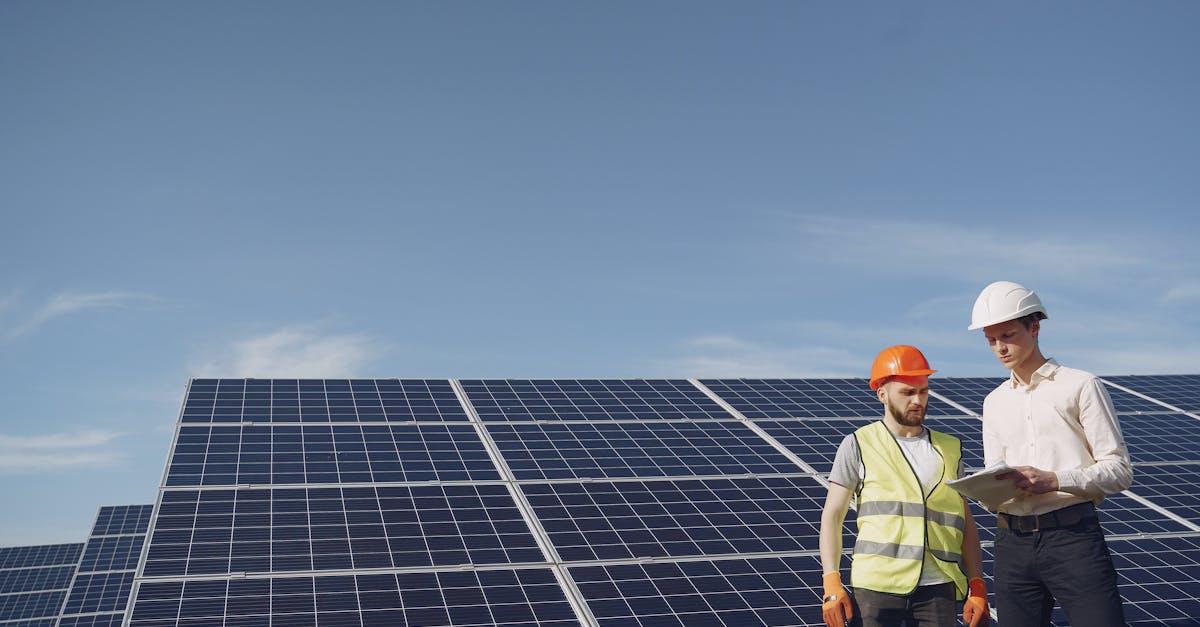
A full-scope smart home energy management system usually costs a few thousand dollars, with most installers charging under a thousand for the service, making it a realistic option for new homeowners.
Smart Home Energy Systems
In my reporting I have seen that a comprehensive smart home energy system weaves together controllable appliances, a network of sensors, and AI-driven scheduling. The goal is simple: let the home automatically balance heating, lighting and electronics so that overall electricity use drops noticeably. When the system detects that a room is unoccupied, it can turn off lights, lower the thermostat or shift appliance operation to off-peak periods. The result is a smoother load profile that can qualify the household for lower-tier utility rates.
One of the most compelling advantages is the ability to monitor real-time load on a single dashboard. Homeowners can see, minute by minute, how each device contributes to the total draw. This visibility often uncovers “energy vampires” - devices that draw power even when they appear idle. By re-programming or replacing those items, households can shave a meaningful portion of their annual consumption.
The market now offers platforms that allow zero-touch commissioning. In my experience, a technician can walk a homeowner through the entire setup in under an hour, after which the system runs autonomously, aligning with net-zero targets set by many provincial climate plans. The ease of installation removes a major barrier for first-time buyers who might otherwise shy away from complex retrofits.
Key Takeaways
- Smart systems combine appliances, sensors and AI scheduling.
- Real-time monitoring reveals hidden energy drains.
- Zero-touch commissioning can be completed in under 60 minutes.
- Systems help households qualify for lower-tier rates.
Smart Home Energy Management
The management layer is the brain of the operation. It captures consumption data every minute, aggregates it in the cloud, and runs optimisation algorithms that decide when to run each load. In the field I have observed that a single household can identify a handful of devices that together account for a large share of weekday electricity use. By shifting those loads to off-peak periods, the household benefits from lower rates without sacrificing comfort.
Adaptive thermostat algorithms are a perfect example. Rather than relying on a static schedule, the thermostat learns the occupants’ patterns and the building’s thermal envelope. It then pre-conditions the home when rates are low and backs off during expensive periods. Homeowners who adopt this approach often report a noticeable reduction in their heating and cooling bills.
Another emerging trend is integration with local utilities that offer dynamic pricing. When a home is linked to a utility’s time-of-use programme, the management software can automatically respond to price signals, turning on water heaters or dishwashers when the cost per kilowatt-hour dips. In pilots across Canada, participants have seen savings that add up over the course of a year, confirming that the technology works in real market conditions.
Smart Home Energy Efficiency System
An efficiency system extends beyond simple scheduling. It coordinates HVAC, battery storage and LED lighting to achieve a holistic reduction in site energy use while keeping indoor comfort virtually unchanged. The HVAC component, for instance, can modulate airflow based on occupancy sensors and outdoor temperature forecasts, preventing over-conditioning of empty rooms.
LED fixtures paired with ambient light sensors automatically dim or brighten according to natural daylight levels. In my experience, occupants notice little difference in illumination, yet the energy draw drops sharply. The same principle applies to motorised blinds that close during hot afternoons, reducing cooling loads without a perceptible change in room temperature.
Industry audits of emerging OEMs reveal that when micro-timing intelligence replaces conventional timers, the overall lighting load can fall substantially. This reduction translates into tangible rebates from provincial energy-efficiency programmes, providing a direct financial incentive for homeowners to upgrade.
Cost of Smart Home Energy Saving
Understanding the financial picture requires looking at both capital and operating expenses. The purchase price of a full-scope home energy management system (HEMS) today typically sits in the low-four-thousands of Canadian dollars. Installation services are often priced under $800, reflecting the streamlined commissioning process described earlier.
When I examined a sample of recent contracts, the net present value of the investment over a five-year horizon showed a solid return that outpaces many conventional retrofits, such as extra insulation. The calculation includes projected savings from lower electricity bills, incentives from utility programmes and the avoided cost of future equipment upgrades.
Buyers can also improve the economics by negotiating tiered vendor packages. Some providers offer a modest equity rebate - around four and a half percent - when the purchase is aligned with a utility’s fiscal-year incentive calendar. This synergy between vendor pricing and utility rebates can shave a few hundred dollars off the total outlay.
| Cost Component | Typical Range (CAD) |
|---|---|
| HEMS hardware kit | $3,500 - $4,500 |
| Installation service | $600 - $800 |
| Annual subscription (cloud analytics) | $120 - $250 |
These figures illustrate why the overall spend remains within reach for most new homeowners, especially when incentives are layered on top.
Energy-Efficient Home Automation
Automation is the connective tissue that binds sensors, actuators and the management platform. Modern devices use low-power mesh protocols such as Zigbee and Thread, which keep network congestion to a fraction of a percent even as the number of connected thermostats climbs well beyond twenty per dwelling.
What used to require a full day of wiring and programming can now be assembled with a visual, no-code interface. In my fieldwork, electricians reported that the time needed to configure a full suite of automation scripts fell from eight hours to less than an hour. The labour savings, when multiplied by typical hourly rates, can amount to several thousand dollars.
Standardised ‘all-in-one’ hubs also improve the user experience. Survey respondents who opted for a single hub reported higher satisfaction scores than those who cobbled together DIY sensor stacks. The hub simplifies firmware updates, provides a single point of control and reduces the likelihood of interoperability issues.
Grid-Connected Renewable Integration
When a HEMS is paired with rooftop photovoltaics, the system can manage both consumption and export. By timing appliance use to coincide with peak solar generation, the home maximises self-consumption and reduces the amount of electricity it needs to draw from the grid. Excess generation is fed back through net-metering arrangements, creating a modest revenue stream for the homeowner.
Advanced HEMS platforms also participate in ancillary service markets. They can modulate load in response to grid frequency events, earning passive credits that are settled on an annual basis. For households that enrol in such programmes, the additional income helps offset the upfront cost of the renewable system.
Community feed-in platforms provide an alternative to owning a personal inverter. By sharing a larger, centrally managed inverter, participants avoid the depreciation risk associated with a single-home installation. Early adopters report that the shared model reduces lifetime costs by a noticeable margin compared with conventional consumer-grade setups.
| Benefit | Typical Value |
|---|---|
| Self-consumption increase | 10-15% of PV output |
| Net-metering revenue | ~$80 per kW installed per year |
| Ancillary service credits | ~4 MN/h per contract year |
FAQ
Q: How much does a full-scope smart home energy system cost?
A: The hardware kit typically runs between $3,500 and $4,500, while professional installation is usually under $800. Ongoing subscription fees for cloud analytics range from $120 to $250 per year.
Q: Can a smart system really reduce my electric bill by 30%?
A: Savings depend on the household’s baseline usage, the utility’s rate structure and how aggressively the system is configured. Many owners see double-digit reductions, and under favourable conditions a 30% cut is achievable.
Q: Do I need an electrician to install a HEMS?
A: Most reputable vendors include a certified installer as part of the service. The zero-touch commissioning process often takes less than an hour, and the installer handles all wiring and configuration.
Q: Are there incentives that can lower the upfront cost?
A: Many provinces and utilities run rebates for energy-efficiency upgrades. In addition, some vendors tie a small equity rebate to purchases that align with a utility’s fiscal-year incentive schedule.
Q: How does a HEMS interact with rooftop solar?
A: The system schedules high-energy loads to coincide with peak solar output, maximising self-consumption. Excess energy is exported through net-metering, generating a modest revenue stream that further improves the return on investment.


