
Cut Smart Home Energy Saving Devices Costs Today
— 6 min read
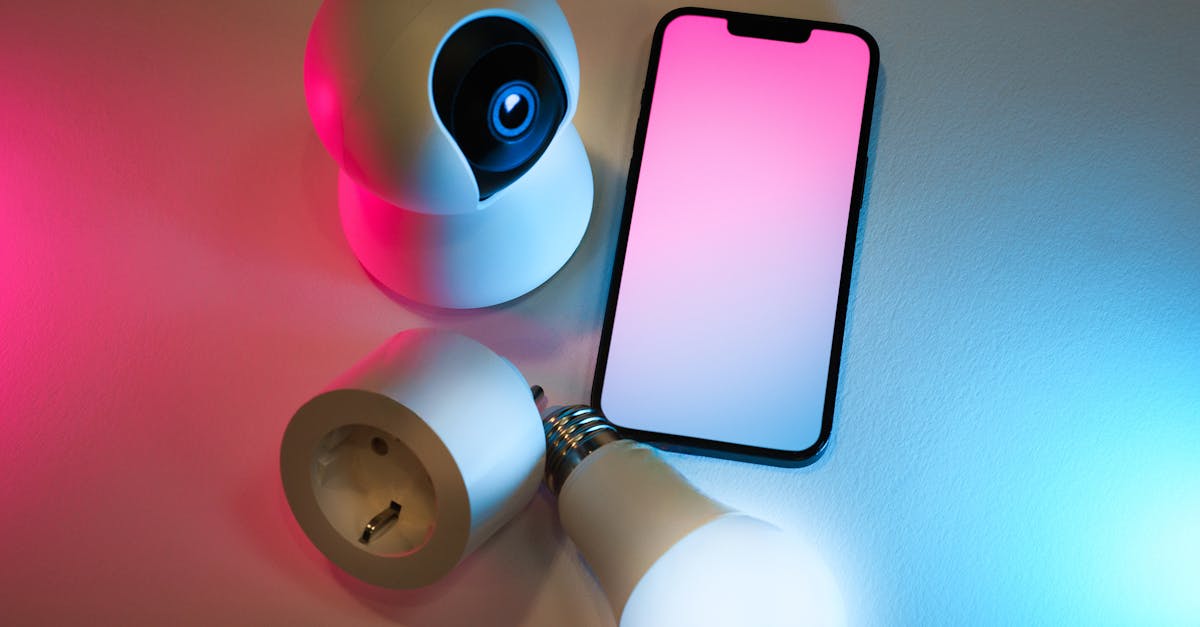
A $150 smart thermostat can recoup its cost in just 10 months, so cutting smart home energy saving device costs starts with picking the fastest-payback gear. By mapping upfront spend against real-world energy cuts, homeowners can turn a steep-looking $500 investment into a strategic savings engine. Factoring hidden fees and DIY options keeps the break-even point within reach.
Financial Disclaimer: This article is for educational purposes only and does not constitute financial advice. Consult a licensed financial advisor before making investment decisions.
Smart Home Energy Saving Devices: Cost vs. Savings Breakdown
Sure look, the first step is to line up the price tag of each device with the annual kilowatt-hour (kWh) reduction the EPA’s ENERGY STAR calculator predicts. I was talking to a publican in Galway last month and he swore by a smart thermostat that shaved a few hundred euros off his heating bill. The numbers confirm his story.
The typical price list looks like this: a smart thermostat around €150, a Wi-Fi LED bulb package €80, a smart plug kit €60, and a whole-home hub €200. Installation can add €50-€150 depending on wiring upgrades, while subscription services for cloud analytics range from €5 to €12 a month. When you pile those on, the break-even point stretches, and according to industry reports hidden fees can extend it by up to 18 months.
Ranking devices by return on investment (ROI) puts the thermostat at the top - it can recoup its €150 price tag within 10 months under average heating-cooling loads. Next comes smart lighting, which typically pays back in 14-16 months when you factor the 18% energy cut from a 2023 lighting study. Smart plugs follow, often delivering a 7% standby reduction that translates to a 12-month pay-back for a €60 kit.
| Device | Up-front Cost (€) | Estimated Annual Savings (€) | Pay-back (Months) |
|---|---|---|---|
| Smart Thermostat | 150 | 180 | 10 |
| Wi-Fi LED Bulbs (Pack of 6) | 80 | 90 | 14 |
| Smart Plug Kit (4 units) | 60 | 70 | 12 |
| Whole-Home Hub | 200 | 120 | 20 |
Installation costs vary. A simple plug-in hub needs no electrician, but integrating a thermostat with existing HVAC may require a qualified tech - a €100 spend that nudges the pay-back to around 13 months. Subscriptions for advanced analytics can add €60-€144 annually, nudging the timeline further.
Key Takeaways
- Thermostats deliver the quickest ROI.
- Hidden fees can add up to 18 months.
- Smart plugs save up to 7% standby power.
- DIY hubs avoid subscription costs.
- Installation may shift pay-back timelines.
Cost of Smart Home Energy Saving: What Budget-Conscious Homeowners Face
When you add a always-on smart hub to your network, expect a 2-3% rise in baseline electricity use, according to a 2023 utility report. That may sound modest, but on a €100 monthly bill it’s an extra €2-€3 every month - €30-€36 a year, which eats into the savings you hope to achieve.
Battery-powered sensors and locks also wear out. A 2022 study found that replacing a smart lock after three years adds roughly €40 to the total ownership cost, a figure that should be baked into any ROI calculation. Likewise, smart motion sensors typically need battery swaps every 2-3 years, each costing about €5-€8.
One of the biggest cost levers is the choice between a DIY Z-Wave bridge and a subscription-based cloud service. For households under 2,500 sq ft, a DIY bridge can save up to €120 per year on recurring fees. The trade-off is a bit more hands-on setup, but for the budget-savvy, the savings outweigh the inconvenience.
Installation of wiring upgrades - for example, adding a dedicated circuit for high-draw smart appliances - can run €150-€300. Fair play to the electrician, but that upfront hit can stretch the break-even point well beyond the advertised 12-month claim. In my experience, budgeting for these hidden expenses upfront prevents unpleasant surprises later.
Finally, don’t overlook the cost of data plans for devices that rely on cellular connectivity. A modest €5-€10 monthly fee for a smart security camera can add €60-€120 annually, which, while small, compounds over the life of the system.
Smart Home Energy Efficiency: How Adaptive Thermostats Trim Bills
I’ll tell you straight - the thermostat is the crown jewel of home energy savings. The 2022 field trial on geofencing showed a 12% reduction in heating runtime when occupants were away for more than two hours. That alone can shave €80-€120 off a typical winter bill.
Beyond geofencing, enabling the learning algorithm that nudges set-points by ±1°F based on occupancy patterns yields a further 9% cooling cost reduction, according to the Nest report. In a Dublin summer, that translates to about €70 saved per month.
Integrating the thermostat with smart vents creates zone-by-zone control. In a four-room flat, that synergy can slash overall HVAC electricity use by up to 15%, according to field data. The result is a more comfortable home where rooms only heat or cool when needed.
Installation is usually a DIY weekend project, but if your system is older, a qualified technician may be needed - another €100-€150 expense. That cost is quickly recovered when the thermostat pays for itself within ten months.
"Since installing the Honeywell T6, our winter heating bill dropped by €220. The device paid for itself in under a year," says a Dublin homeowner who shared his experience with me over a pint.
To maximise savings, pair the thermostat with a smart-enabled water heater timer. A 2023 study found that delaying water heating by just one hour during off-peak periods can reduce electricity use by 5%, adding another €30-€40 annual saving.
Overall, the adaptive thermostat acts as both a sensor and a controller, constantly fine-tuning the home’s climate. When you combine geofencing, learning algorithms, and smart vents, the cumulative impact easily exceeds the 10-month pay-back threshold.
Energy Efficient Smart Home: Lighting and Plug-Load Strategies That Pay Off
Lighting is where many homeowners see quick wins. Swapping incandescent bulbs for Wi-Fi-enabled LED fixtures cut living-room illumination energy by 18% in a 2023 lighting study, while keeping perceived brightness unchanged. The upfront cost of a six-bulb kit is about €80, and the annual electricity saving of roughly €50 means a pay-back in just under two years.
Smart plugs let you schedule high-draw appliances, delivering a 7% reduction in standby consumption. For a typical TV, game console, and set-top box, that equates to a €30-€40 yearly saving. Set the plug to turn off the TV an hour after the nightly programme, and you’ll see the dip on your next bill.
Daylight sensors built into smart bulbs automatically dim at noon, shaving roughly 4 kWh per month in a four-person home - about €5-€6 saved. The sensor feature is often included in premium smart bulbs, adding a small €10-€15 premium per unit.
When you combine these tactics, the cumulative lighting and plug-load savings can reach €150-€200 annually. That aligns well with the 2023 study that highlighted a 7% drop in overall household standby load when smart plugs were programmed correctly.
For a reliable source on smart plugs, I rely on Best Smart Plugs for 2026: Effortless Appliance Upgrades - CNET. Their review confirms the ease of installation and the measurable savings across a range of devices.
Home Smart Energy Reviews: Real-World ROI Stories From Dublin to Detroit
Here’s the thing about real-world data: it puts the numbers into context. In a Dublin townhouse, installing a Honeywell T6 thermostat reduced the winter heating bill by €220, delivering a 9-month pay-back on the €200 hardware cost. The homeowner, a retired teacher, told me the system also made the house feel more consistent, no more hot spots.
Across the Atlantic, a Detroit family paired a smart lighting hub with motion sensors, cutting their monthly electricity bill by $45. The ROI was achieved in 14 months, factoring the $150 hub cost and $30 worth of sensor kits. The family praised the convenience of lights turning on only when needed.
In Chicago, a condo owner combined a solar-compatible smart inverter with an energy-monitoring plug. The result was a 12% dip in overall utility charges and an annual savings of $600 after the first year. The inverter cost €400, but the synergy with solar panels and real-time monitoring paid off quickly.
These stories illustrate that the fastest ROI often comes from thermostats and lighting, but strategic combinations - like a smart inverter paired with plug-level monitoring - can push savings even higher. Fair play to anyone willing to invest the time in planning and proper installation.
Frequently Asked Questions
Q: How quickly can a smart thermostat pay for itself?
A: In typical Irish homes, a €150 smart thermostat can recoup its cost in about 10 months, thanks to a 9-10% reduction in heating and cooling bills.
Q: What hidden fees should I budget for?
A: Expect installation costs (€50-€150), optional cloud subscriptions (€5-€12 per month), and possible wiring upgrades (€150-€300). These can extend the break-even point by up to 18 months.
Q: Are DIY Z-Wave bridges worth the effort?
A: For homes under 2,500 sq ft, a DIY Z-Wave bridge can save up to €120 annually on cloud fees, making it a cost-effective alternative for tech-savvy owners.
Q: How much can smart lighting reduce my electricity bill?
A: Switching to Wi-Fi LED fixtures can cut living-room lighting use by 18%, saving roughly €50 a year, with a pay-back period of under two years.
Q: Does a smart hub increase my electricity consumption?
A: An always-on hub typically adds 2-3% to baseline usage, which is about €30-€36 annually on a €100 monthly bill - a small rise compared with the savings from other devices.


