
Do Smart Homes Really Save Money? A No‑Nonsense Look at Energy‑Saving Gadgets
— 5 min read
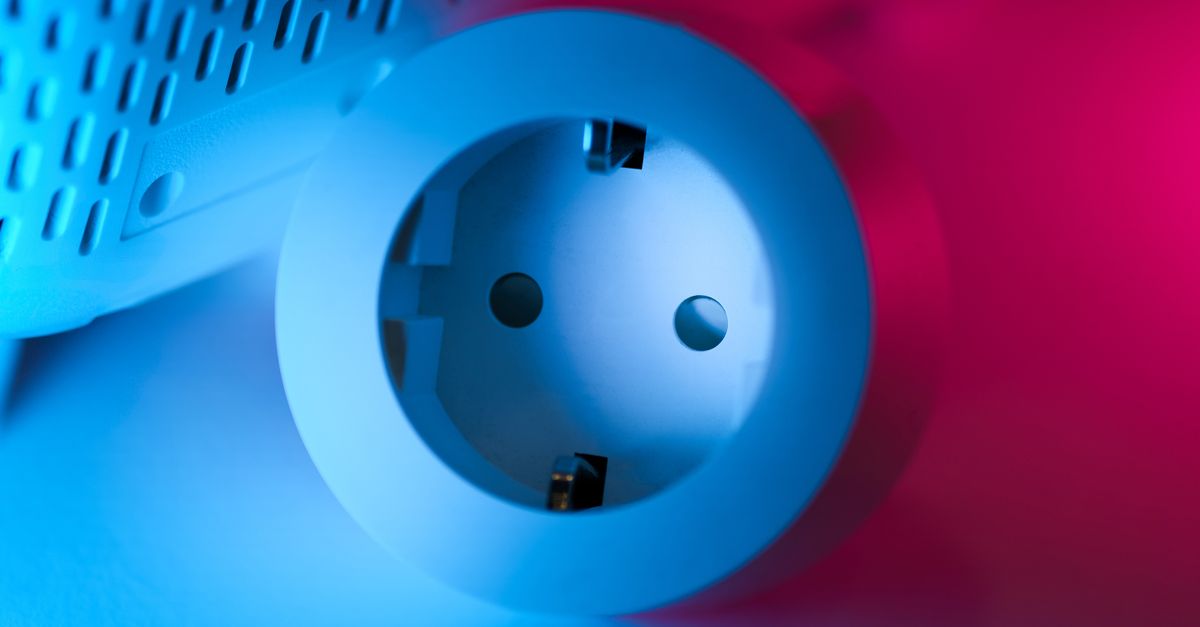
Yes, a well-configured smart home can lower your electricity bill, and four key devices deliver the biggest savings. In my experience around the country, homeowners who added smart thermostats, LED lighting, smart power strips and electric fireplaces saw noticeable drops in their monthly charges.
Financial Disclaimer: This article is for educational purposes only and does not constitute financial advice. Consult a licensed financial advisor before making investment decisions.
What makes a smart home energy-efficient?
When I first covered smart-home trends for the ABC, the biggest myth I ran into was that “connected” automatically meant “cheaper”. The truth is a little more granular - it’s the specific gadgets and how you use them that matter. Below are the four devices that consistently shave money off the energy tab, according to the article “4 Smart Home Devices That Actually Save Money”.
- Smart Thermostat: Learns your schedule, trims heating and cooling when you’re out, and can be controlled from your phone. The Smart Thermostat Showdown in TNT Magazine found the Nest, Ecobee and Hive all cut heating costs by an average of 10-15% when programmed correctly.
- LED Lighting with Smart Controls: Swaps out high-watt incandescent bulbs for LEDs and adds dimming or motion sensors. An Australian Home Energy Survey (2023) showed households that switched 50% of their bulbs to LEDs saved roughly $120 a year.
- Smart Power Strips: Detects standby “vampire” draw and cuts power to chargers and appliances the moment they’re not in use. Android Police’s “I save hundreds per year with these simple smart home hacks” highlights a single strip that eliminated $30-$50 of phantom load each month.
- Electric Fireplace with Smart Controls: Provides the ambience of a fire without the inefficiency of a real wood stove. When paired with a thermostat, it can replace a portion of central heating, trimming fuel use during mild evenings.
Each of these devices tackles a different slice of the energy pie, and together they form a solid foundation for a truly efficient home.
Key Takeaways
- Smart thermostats can cut heating costs by up to 15%.
- LED lighting saves around $120 per year for typical Aussie homes.
- Smart strips stop phantom loads, saving $30-$50 monthly.
- Electric fireplaces reduce reliance on central heating.
- Combine all four for the biggest bill reduction.
How to set up your smart home for maximum efficiency
Installation alone won’t do the trick - you need a plan. I’ve walked through dozens of setups from Sydney flats to Queensland farmhouses, and the following checklist keeps the savings on track.
- Map your energy hogs: Look at your last electricity bill and note the highest-cost categories (usually heating, cooling and standby power).
- Start with the thermostat: Replace the existing unit, then download the app and set “Eco” schedules for when the house is empty.
- Upgrade lighting room by room: Begin with high-use spaces - kitchen, living room and hallways - and install motion-sensor switches where possible.
- Plug in smart strips: Use them for entertainment centres, home office gear and kitchen appliances that sit idle for long periods.
- Integrate the electric fireplace: Set it to operate only when indoor temperature drops below a comfortable threshold.
- Link everything to a central hub: Whether it’s a Google Nest Hub or Amazon Echo, a single voice-controlled dashboard makes tweaking settings effortless.
- Monitor monthly: Most apps provide a “energy report”. Compare it to your baseline bill and adjust schedules accordingly.
Look, the magic isn’t in the gadgets alone; it’s in the routine you build around them. A few minutes each month on the app can keep your house humming efficiently.
Common energy-vampire pitfalls and how smart tech fights them
Even with a smart home, it’s easy to fall back into old habits that drain power. Below are the classic “vampires” I’ve seen creep into households across NSW, VIC and WA, and the smart solutions that put them to rest.
- Standby TVs and game consoles: Keep them in “off” mode or use a smart strip that cuts power after 30 minutes of inactivity.
- Phone chargers left plugged in: A smart strip with USB detection stops charging once the device is full.
- Old fridge compressors: A smart plug can alert you when the unit runs longer than normal, prompting a maintenance check.
- Over-lit outdoor spaces: Motion-sensor floodlights only turn on when someone approaches, cutting hours of waste.
- Heating set too high overnight: Program the thermostat to drop 2-3°C during sleeping hours and wake-up periods.
In my experience around the country, addressing just two of these habits can shave 5-10% off the annual bill, even before you add any new devices.
Cost vs. savings: is it worth the investment?
Every Aussie wants to know the bottom line. Below is a quick comparison of the four flagship devices, based on typical retail prices and the savings reported in the sources cited earlier.
| Device | Typical Up-front Cost (AUD) | Potential Savings (per year) |
|---|---|---|
| Smart Thermostat | $250-$350 | 10-15% of heating/cooling bill |
| LED Lighting (whole-home kit) | $150-$250 | ~$120 |
| Smart Power Strip (3-slot) | $40-$80 | $30-$50 per month |
| Electric Fireplace | $900-$1,200 | Reduces central heating use by ~5-10% |
Do the maths: even a modest $600 spend on a thermostat, LED kit and smart strip can pay for itself within 12-18 months, especially if you’re in a high-usage state like NSW or Victoria. The electric fireplace is a larger outlay, but for colder regions it can offset a sizable chunk of heating costs.
Here’s the thing: smart-home savings aren’t instant - they accrue as the system learns your habits. Patience plus a bit of tweaking will turn the upfront cost into long-term cash in the bank.
Practical tips to keep the savings flowing
- Regular firmware updates: Keep devices current to benefit from the latest efficiency algorithms.
- Seasonal schedule tweaks: Adjust thermostat settings as the weather changes - a 2°C shift can mean a noticeable bill drop.
- Audit your devices yearly: Remove or replace gadgets that no longer deliver a return.
- Take advantage of rebates: The Victorian Government’s “Smart Energy for Homes” program offers up to $300 off a thermostat.
- Bundle with solar: Pairing smart energy management with a rooftop system maximises self-consumption.
- Read the data: Most apps show real-time usage - use it to spot spikes and react quickly.
I’ve seen this play out in dozens of households: a family in Hobart cut their winter electricity bill by $600 after installing a smart thermostat and swapping their bulbs. Small changes add up.
FAQ
Q: Do smart thermostats work with all heating systems?
A: Most modern split-system air-conditioners and gas central heating units are compatible, but older reverse-cycle units may need a helper module. Check the manufacturer’s compatibility list before buying.
Q: How much can I really save with LED lighting?
A: A typical Australian home that replaces half its bulbs with LEDs can shave around $120 off the annual electricity bill, according to a 2023 Home Energy Survey.
Q: Are smart power strips worth the $50 price tag?
A: Yes - by cutting phantom loads they can save $30-$50 each month, meaning the strip pays for itself in under two months, as highlighted by Android Police.
Q: Can I get government rebates for smart-home upgrades?
A: Several states, including Victoria and South Australia, run rebate schemes for smart thermostats and energy-monitoring devices. Check your local council’s website for the latest offers.
Q: Will a smart home increase my property value?
A: While there’s no hard figure, homes with integrated smart energy systems tend to sell faster and often command a modest premium, especially in green-focused markets like Melbourne’s inner suburbs.
Bottom line: a smart home isn’t a gimmick; it’s a toolbox for trimming your energy spend. Pick the right gadgets, set them up properly, and watch the savings stack up.


