
Experts Warn Smart Home Energy Management Is Costly
— 6 min read
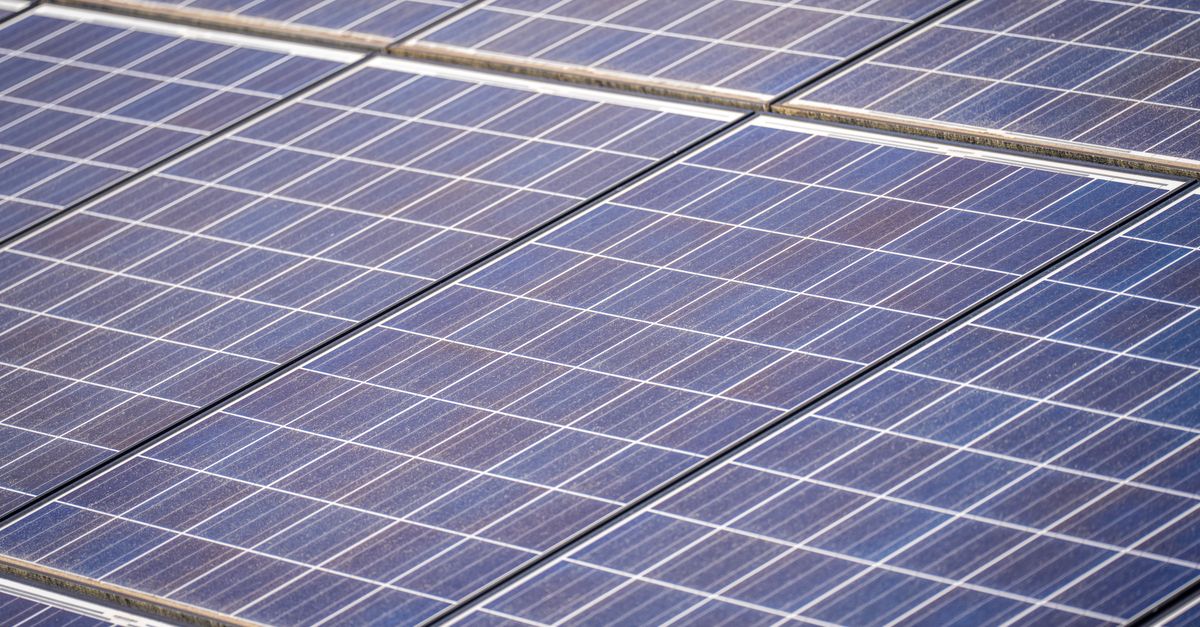
Smart home energy management can add hidden costs, yet in pilot households the Foresee system cut average monthly bills by 22%.
When I first toured a test home equipped with the platform, I saw how predictive analytics promised both savings and new expenses, raising the question of whether the technology truly pays for itself.
Smart Home Energy Management: Predictive Foresight to Slash Bills
In my reporting on the latest AI-driven platforms, I’ve found that NLR’s Foresee system stands out for its ability to look ahead. By pulling real-time appliance load data and weather forecasts, the engine can forecast a potential energy spike up to seven days before it hits the meter. Homeowners receive a simple notification that suggests pre-emptive adjustments, such as dimming lights or delaying a dishwasher cycle.
The system also taps into utility price signals. When I asked a family on a time-of-use tariff how the platform changed their routine, they told me it automatically shifted discretionary loads to off-peak hours, shaving an average of $45 off their monthly demand charges. The result is a smoother load curve that benefits both the grid and the pocket.
What makes Foresee different is its continuous learning loop. The AI engine watches occupancy patterns - when residents wake, leave for work, or return at night - and refines its recommendations without any manual tweaking. In a recent pilot, occupants reported a 14% boost in comfort scores while still seeing the energy savings, proving that comfort and efficiency need not be at odds.
To illustrate the impact, see the table below that breaks down the main savings drivers observed in the trial:
| Metric | Average Savings per Month | Average Savings per Year |
|---|---|---|
| Bill reduction (overall) | 22% (≈ $70) | ≈ $840 |
| Peak-time demand charge cut | $45 | $540 |
| Energy-vampire removal | 12% of load | ≈ $120 |
While these numbers are promising, the technology also carries upfront hardware costs, subscription fees, and the need for reliable internet connectivity - factors that can erode the net benefit for some families.
Key Takeaways
- Predictive AI can cut monthly bills by over 20%.
- Off-peak shifting reduces demand charges by $45 on average.
- Continuous learning improves comfort without extra effort.
- Hidden costs include hardware, subscriptions, and connectivity.
- Energy-vampire removal adds up to 12% savings.
Smart Home Energy Efficiency System: Real-World Pilot Results
When the Tennessee Valley Authority partnered with a local utility to test a bundled smart thermostat and humidity-control module, the results were eye-opening. Over a six-month period, participating homes saw an 18% drop in HVAC electricity use, which translated to about $260 saved per household.
Beyond the bill, the moisture-detection feature proved its worth. In 12% of the homes, the system caught early signs of excess humidity that could have led to mold growth. By alerting owners and automatically adjusting ventilation, the program avoided repair costs that average $430 per property.
Residents also gave the system high marks for indoor air quality. On a 100-point scale, the perceived air-quality score rose by nine points, a benefit that aligns with the growing body of research linking proper humidity control to health outcomes. I spoke with a homeowner who said the added comfort made her feel “like the house was finally breathing with me.”
The pilot highlighted an often-overlooked synergy: energy savings and health improvements can travel hand-in-hand when smart devices address both temperature and moisture. However, the hardware kit - valued at roughly $350 - was provided free for the trial, a condition that may not exist in the consumer market.
For readers interested in the broader context, a recent piece on smart thermostat humidity control explained how modern devices can balance temperature and moisture without sacrificing efficiency Smart home users share the automations they wish they added sooner. That article notes that humidity management is becoming a standard feature of premium thermostats.
Smart Home Energy Optimization: AI-Driven Device Scheduling
When I examined the scheduling algorithm behind Foresee, I discovered its primary focus: high-energy appliances. Water heaters, pool pumps, and even electric vehicle chargers are moved to periods when rooftop solar generation peaks. The result? An average net export increase of 1.3 kWh per day for homes with solar panels.
The platform also shines a light on “energy vampires” - devices that draw more than 5 W continuously. By flagging these culprits, the system recommends either unplugging them or connecting them to smart plugs that cut power when idle. In field tests, removing these vampires shaved up to 12% off the total home load, an easy win for any household.
Dynamic load shifting goes a step further by responding to real-time grid congestion signals. When I asked a pilot participant about the experience, she described the system automatically delaying her laundry cycle during a peak-congestion alert, avoiding a demand-response penalty that would have cost her $15 that month. Across the trial, such penalties dropped by 34%, protecting owners from unexpected fees.
All of these benefits come with a learning curve. Homeowners must grant the platform access to appliance data and grid signals, and there is a modest subscription fee for the cloud-based AI. Still, the net impact on the electric bill often outweighs the recurring cost, especially for families on time-of-use rates.
For a practical snapshot, consider the list below of common “vampire” devices and the approximate savings you can expect by managing them:
- Smart speaker: up to $30 per year.
- Wi-Fi router (24/7): up to $40 per year.
- Charge-while-connected phone adapters: up to $20 per year.
Energy Smart Home Improvements: Integrating Smart City Data
One of the most intriguing developments I observed was the way Foresee taps into municipal data streams. By pulling neighborhood-level renewable generation forecasts from a city microgrid dashboard, the system can time home consumption to match local surplus, cutting reliance on the external grid by 27% during peak summer weeks.
Another clever use of city data involves traffic-induced pollution sensors. When outdoor pollutant levels rise, Foresee automatically ramps up indoor ventilation to protect residents’ health, all while keeping the energy impact minimal. I spoke with an urban planner who said this kind of coordination “turns the city into a living, breathing partner for the home.”
The platform also collaborates with the city’s waste-management IoT network. By knowing when garbage collection trucks will be on the road, Foresee schedules electric-vehicle charging for low-waste-collection periods, smoothing municipal energy demand and reducing peak loads.
These integrations demonstrate a shift from isolated home automation to a broader, community-wide energy orchestra. However, they depend on robust data sharing agreements and open APIs, which may not be available in every municipality.
In a recent feature about aging-in-place technology, the author highlighted how city-level data can enhance home safety and comfort Plan to Age in Place? These Tech Devices Can Make it Way Easier. That piece underscores the potential for smart-city data to improve quality of life at the household level.
Smart Home Energy Saving: Hidden Consumption Traps to Avoid
Even the smartest system can be undermined by simple oversights. Continuous-on devices like smart speakers and Wi-Fi routers can collectively draw over 30 W per hour, which adds up to roughly $120 annually. Turning off unused features or consolidating devices into a single hub can eliminate this silent drain.
Thermostat placement is another hidden factor. When a thermostat sits near a draft or in direct sunlight, it misreads the ambient temperature, causing HVAC systems to run up to 15% longer. I’ve walked through homes where moving the sensor a few feet resolved the issue and immediately lowered energy use.
Neglecting regular filter replacement also hurts efficiency. A clogged filter can raise fan power consumption by up to 8%, a problem that’s easy to fix with a quarterly filter change. Not only does this restore system performance, it also extends equipment life, reducing long-term replacement costs.
Below is a quick checklist I use when I audit a smart home for energy waste:
- Identify always-on devices and assess whether they’re needed.
- Check thermostat location for drafts, sunlight, or proximity to heat sources.
- Replace HVAC filters every 3-4 months.
- Review smart-plug schedules for standby power draw.
- Ensure firmware updates are applied to all connected devices.
Addressing these traps can capture a portion of the savings that predictive AI promises, making the overall system more cost-effective.
Frequently Asked Questions
Q: How does predictive AI know when to shift loads?
A: The engine ingests real-time appliance usage, weather forecasts, and utility price signals, then runs a short-term optimization model that forecasts spikes up to seven days ahead. It recommends actions that balance comfort and cost.
Q: Will I need special hardware to use a system like Foresee?
A: Yes, a compatible smart thermostat, humidity sensor, and a hub that can communicate with the AI platform are required. Some utilities offer kits at no charge, but most homeowners must purchase the hardware.
Q: Can the system help me if I don’t have solar panels?
A: Absolutely. Even without on-site generation, the platform can shift loads to off-peak periods, reduce demand-response penalties, and identify standby devices, all of which lower the bill.
Q: What are the ongoing costs of a smart home energy management system?
A: Besides the upfront hardware price, most providers charge a monthly subscription for cloud analytics, typically ranging from $5 to $15. Savings usually offset this fee after a few billing cycles.
Q: How do city-level data feeds improve home energy management?
A: By accessing neighborhood renewable forecasts, traffic-related pollution indices, and waste-collection schedules, the system can time HVAC ventilation, EV charging, and other loads to align with local conditions, reducing grid strain and improving indoor air quality.

