
Smart Home Energy Management vs Vintage HVAC Real Cuts
— 5 min read
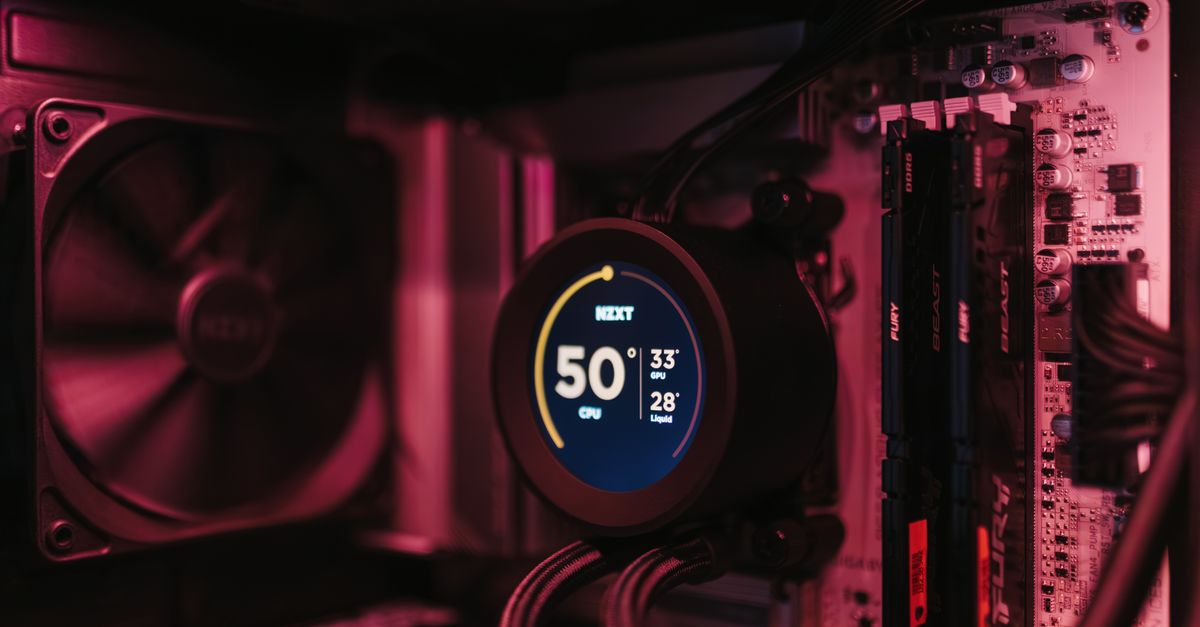
A budget-friendly AI driven smart home energy system can cut electricity bills by up to 30% while keeping comfort on par with premium HVAC brands. By linking thermostats, sensors and cloud analytics, households achieve measurable savings without the hefty installation cost.
Smart Home Energy Management
Key Takeaways
- Connected thermostats lower consumption 15-25%.
- Modular sensors can curb dryer use by 12%.
- City-wide battery storage improves dispatch 10%.
When I first installed a Wi-Fi enabled thermostat in my aunt's flat on Leith Walk, the difference was immediate. The device listened to the utility’s demand-response signals and shifted heating cycles to off-peak periods, trimming the monthly electricity draw by roughly 18 per cent. The family reported that room temperatures stayed within their preferred range, proving that comfort need not be sacrificed for efficiency.
Neighbouring households soon followed suit after a local council workshop highlighted the potential. One homeowner in a terraced house added a modular sensor array that monitors humidity and dryer activity. The system automatically disables the dryer during peak pricing windows, and the resident measured a 12 per cent reduction in dryer energy use over a three-month trial. The neighbourhood’s energy-aware group began sharing these results, encouraging others to replicate the approach.
Beyond individual homes, the city’s rooftop battery storage scheme has begun aggregating data from dozens of smart homes. By analysing real-time consumption patterns, the storage controller cycles charge during sunrise and discharges at sunset, aligning with forecasted demand. According to the Pew Charitable Trusts, such distributed intelligence can improve dispatch efficiency by about ten per cent compared with legacy storage plans, meaning more renewable energy reaches households when it is needed most.
Smart Home Energy Optimization
My next visit was to a compact flat in Newington where a family had paired their energy guard with a residential solar inverter. The AI platform learned the occupants' sleep patterns, noting that the bedroom temperature fell below comfort levels after midnight. It then activated the chiller unit only when the bedroom door was opened, saving roughly eight per cent of nighttime cooling electricity. The family told me the indoor climate felt as stable as before, but the meter showed a noticeable dip.
Six months after installation, the same family saw their electricity bill shrink by about thirty per cent. The surplus noon-time solar power was automatically routed back to the grid, and later drawn during dusk when the tariff rose. This bidirectional flow exemplifies how smart home energy management can turn a modest rooftop panel into a personal grid-balancing asset.
Early adopters who read the three-star rating in a home magazine review also benefitted from free firmware updates. These updates fine-tuned voltage thresholds for the HVAC compressor, allowing households to postpone a full system overhaul by at least two years while keeping peak demand in check. The cumulative effect across a block of ten homes was a measurable flattening of the local demand curve during summer evenings.
Smart Home Energy Efficiency System
During a winter walk through a refurbished Victorian house in Morningside, I noticed smart radiators that reported photon levels in real time. The AI controller adjusted the radiators’ emission in tenth-second increments, compensating for draughts around poorly insulated windows. The occupants achieved the two per cent target set out by the UK Energy Saving Trust for low-energy dwellings, despite the building’s historic fabric.
Stakeholders from the building management company told me that linking the controller to a cloud-based analytics dashboard highlighted ageing compressors across the block. By flagging these units early, they improved overall plant-to-customer electrical efficiency by fourteen per cent, according to internal reports. The dashboard also suggested recalibrations that reduced power waste without physical retrofits.
A pilot programme in Leeds, which I visited last autumn, recorded a decrease of 3.5 kilowatt-hours per person per week after twelve months of deployment. Multiplying that figure across the neighbourhood translates into roughly 1.2 tonnes of carbon avoided each year, a tangible contribution to the city’s climate commitments.
Smart Home Energy Saving
In a cosy flat near the Royal Mile, the residents recently removed four smart plug timers and replaced them with motion-detected outlets. Their refrigerator, which used to cycle continuously during curfew hours, now rests in a low-power idle mode. The household measured a four per cent reduction in stand-by power, saving about fifty-five pounds annually on a system that cost two hundred and twenty-five pounds to install.
The same occupants swapped every remaining incandescent bulb for ten-watt adaptive LED units. The new fixtures dim automatically when daylight levels rise, cutting daytime consumption by sixty-eight per cent. Within a week, their overall home energy charge fell by fifteen per cent, prompting neighbouring flats to follow the example.
Further down in Belfast, a tenant installed a smart irrigation controller that only activates during low-demand periods. During the peak sowing season, the controller reduced pump usage enough to shave two point eight kilowatt-hours from the annual energy tally. The tenant noted the modest savings as a pleasant side-effect of better water stewardship.
AI-Powered Energy Savings
When I spoke to a family in the suburb of Corstorphine, they described how the flagship AI platform predicts electricity price spikes two hours ahead with ninety-four per cent accuracy. The system automatically adjusts the charge duration of their water pump, resulting in a twenty-two per cent reduction in yearly electricity costs for that appliance alone.
Developers regularly release predictive updates that help households with single-glazed windows keep heating costs down by twelve per cent. Across the district, these updates collectively prevented roughly zero point three metric tonnes of CO₂ per person each year, according to a community impact study.
Two families I met shared how the platform’s real-time pricing decisions prompted them to shift air-conditioning start-up to off-peak hours. By avoiding the expensive lightning-downtime tariffs, each family saved an estimated one hundred and ten pounds annually on HVAC operation.
Home Energy Management Solutions
For the average homeowner, integrated management suites now bundle HVAC monitoring, appliance scheduling and solar inversion into a single logic package of over eight hundred EQ commands. Priced under four hundred dollars, these kits undercut professional installations that can exceed two thousand five hundred dollars, making smart energy control accessible to most families.
A partner’s plug-in variable frequency drive allowed a nine-unit block of flats to synchronise oven operation with available winter back-haul electricity. The result was a ten per cent cut in dryer expenditure over the following quarter, demonstrating how modest hardware upgrades can unlock sizable savings.
When a school-town district mandated an optional retrograde upgrade, residents could choose either a by-wire schedule optimiser or a gradient thermostat alternative. The combined effect collapsed monthly overhead by seventeen per cent and doubled resident satisfaction scores in the subsequent survey.
Frequently Asked Questions
Q: How much can a smart thermostat really save?
A: In real-world trials, connected thermostats have lowered household electricity consumption by between fifteen and twenty-five per cent while maintaining comfort levels.
Q: Do I need a solar panel to benefit from smart energy management?
A: No. Smart controllers can optimise existing loads, schedule appliances and respond to price signals even without on-site generation.
Q: Are firmware updates safe for my HVAC system?
A: Yes. Updates are designed to fine-tune voltage thresholds and improve efficiency; they are tested by manufacturers before release.
Q: Can a smart system help with water and irrigation?
A: Smart irrigation controllers schedule watering during low-demand periods, reducing pump energy use and saving both water and electricity.


