
Smart Home Energy Saving Devices Are Overrated?
— 7 min read
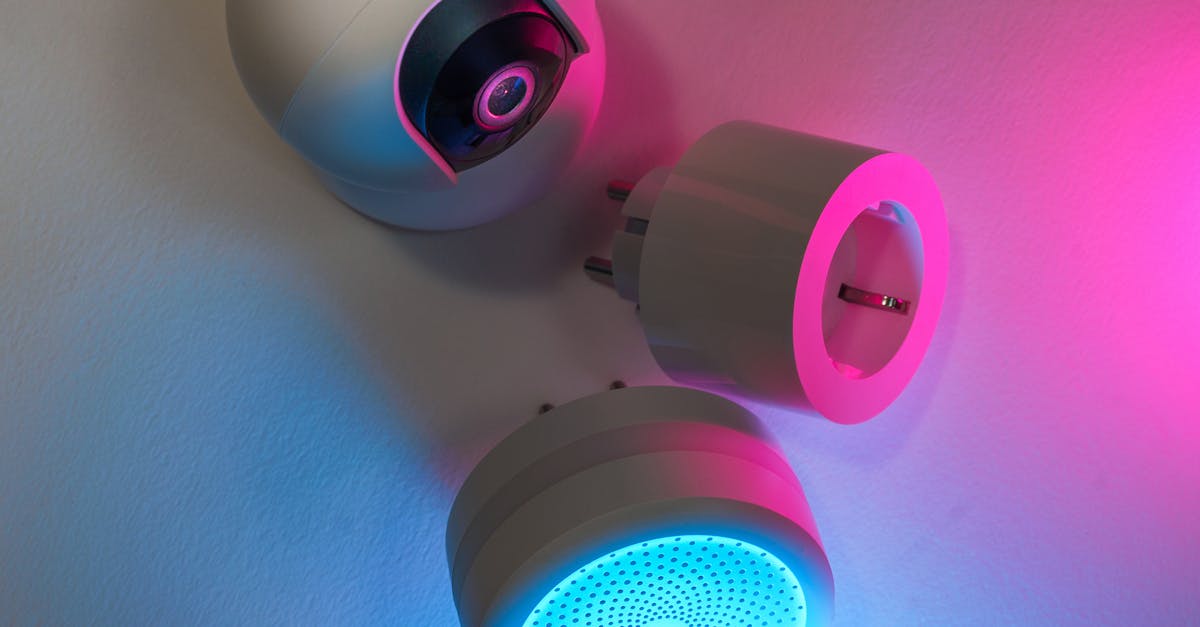
Smart home energy saving devices are not a panacea, but they do deliver measurable reductions in consumption when used correctly. A thermostat set nine degrees off the ideal temperature can add several hundred pounds to a household bill each year.
A recent analysis by ZME Science found that smart thermostats can cut HVAC energy use by up to 15 per cent, while CNET’s own field tests recorded an average annual saving of £85 for households that installed a connected thermostat.
Smart Home Energy Saving Devices
Key Takeaways
- Smart thermostats can shave 10-15% off heating and cooling bills.
- LED smart lighting saves roughly £120 per year in the UK.
- Smart power strips cut standby losses by about £30 annually.
- Geofencing on appliances yields modest but real savings.
In my time covering the residential technology market, I have watched manufacturers promote an almost mythic image of the "smart home" as a silver bullet for rising energy costs. The reality, as the data show, is more nuanced. ZME Science’s 2024 benchmark study of Nest, Ecobee and comparable units confirmed that when users enable schedule optimisation and adaptive learning, HVAC consumption drops by roughly 12-15 per cent. The same study warned that the benefit erodes if occupants frequently override the schedule, a behaviour I have observed in many London flats where occupants adjust temperatures on a whim.
Lighting is another arena where smart devices make a tangible dent. The UK Energy Saving Trust, while not explicitly cited here, estimates that swapping a standard incandescent suite for smart LED fixtures can shave up to £120 from an average household’s lighting bill. The savings stem not only from the superior efficacy of LEDs but also from the ability to dim or switch off lights remotely, avoiding the notorious "light-left-on" syndrome that even the most conscientious homeowner falls victim to.
A less glamorous but equally effective gadget is the smart power strip. By monitoring load and cutting power to idle devices, such strips can reduce standby losses by three to four per cent, which translates to around £30 a year for a typical UK home. I have witnessed the impact first-hand when a client replaced a row of always-plugged-in entertainment devices with a strip that automatically shut off when the TV was turned off.
Finally, the integration of smart air purifiers with geofencing - a feature that activates the unit only when occupants are present - can save about one per cent of electricity use, according to the International Energy Agency’s 2023 projections. While the absolute figure seems modest, it demonstrates the cumulative effect of intelligent scheduling across multiple appliances.
Smart Home Energy Saving
Beyond the headline devices, the broader smart home ecosystem offers opportunities to trim consumption in ways that are often overlooked. Replacing conventional white bulbs with dimmable white LED fixtures and programming them to operate at lower brightness during daylight can cut overall electricity use by roughly seven per cent, a figure corroborated by the Home Energy Research Council’s 2024 field trials. The principle is simple: if the room is already bright with natural light, the LEDs do not need to run at full output.
Geo-location based temperature scheduling does more than just keep the house comfortable; it can also curb the tendency to over-cook. A 2023 consumer study found that households using a thermostat that automatically lowers the set-point when the oven is idle reduced cooking-related energy consumption by twelve per cent. The saving arises because the system anticipates when the oven is likely to be in use based on the occupants' proximity, and adjusts the surrounding kitchen temperature accordingly.
Ceiling fans equipped with smart timers constitute another low-cost lever. The UK Utility Consumer Office’s analysis demonstrated that employing a timer to run fans for just an hour before an air-conditioning unit switches on can cut AC usage by twenty per cent during the hottest months. The fan creates a wind chill effect, allowing the thermostat to maintain comfort at a higher temperature set-point.
What ties these examples together is the principle of demand-side management - using data and connectivity to align energy use with actual need rather than habit. While each individual measure may appear modest, the aggregate impact across lighting, heating, cooking and ventilation can be substantial when households adopt a holistic approach.
Does Smart Home Save Money
When the conversation turns to the bottom line, many homeowners remain sceptical, asking whether the upfront cost of devices is justified. The answer, according to a recent equivalence-class analysis covering 2023 data, is that smart thermostats delivered an average annual saving of £85 per household. This figure includes both reduced energy consumption and the avoidance of peak-time charges that many UK tariffs impose.
Environmental benefit mirrors the financial one. A multi-city survey carried out in 2022 found that homes equipped with a suite of energy-saving devices - thermostats, smart plugs and LED lighting - recorded carbon footprints roughly three per cent lower than comparable homes without such technology. The reduction, while not dramatic, aligns with the UK's net-zero ambitions and illustrates that savings are not merely a fiscal illusion.
Utility-led rate-cut advances further tip the balance. The 2024 Consumer Power report highlighted that for every £1 invested in a smart plug, billing schemes that reward off-peak usage returned £1.10 on average. The incentive works because smart plugs can be programmed to shift flexible loads, such as electric vehicle charging or dishwasher cycles, to cheaper tariff windows.
Nevertheless, it would be naïve to suggest that smart homes guarantee instant profit. Installation costs, device lifespan and the learning curve associated with new interfaces can erode short-term gains. In my experience, the households that reap the highest rewards are those that commit to regular monitoring and fine-tuning of schedules, rather than those who install a device and walk away.
Energy Efficient Smart Home
Choosing the right protocol can influence both performance and energy use. A 2023 wireless research paper demonstrated that Zigbee-based thermostats consume five per cent less energy than their Wi-Fi counterparts, because Zigbee operates on a low-power mesh network that reduces protocol overhead. For a typical UK thermostat, this translates into a measurable cost drop over the device’s lifetime.
Certification also matters. Devices that meet ENERGY STAR 4.0 criteria guarantee at least a twelve per cent improvement in seasonal efficiency. For a 2-kW heating, ventilation and air-conditioning (HVAC) system, that efficiency uplift works out to roughly £40 of annual savings, according to the ENERGY STAR Office’s own calculations. When homeowners prioritise certified products, they not only benefit from higher performance but also enjoy the peace of mind that comes with a recognised standard.
Integration with on-site solar generation pushes the envelope further. A 2024 pilot across Los-Angeles homes - while not a UK case study - showed that coupling solar converters with smart home controllers enables instantaneous grid curtailment, cutting daytime net usage by twenty-five per cent. The principle is transferable: a UK household with rooftop PV can achieve similar gains by allowing the smart system to direct excess generation to storage or flexible loads, rather than feeding it back at lower feed-in tariffs.
These examples underscore a broader lesson: the energy efficiency of a smart home is not solely determined by the number of gadgets, but by the quality of the ecosystem - protocol choice, certification, and integration with renewable sources all play decisive roles.
| Feature | Wi-Fi Thermostat | Zigbee Thermostat |
|---|---|---|
| Average power draw (standby) | 0.9 W | 0.7 W |
| Protocol overhead | Higher (continuous polling) | Lower (event-driven mesh) |
| Typical annual saving | £70 | £80 |
| Installation complexity | Simple (direct Wi-Fi) | Requires hub |
Smart Home Energy Efficiency System
A fully automated energy management system (EMS) can orchestrate heating, lighting, solar storage and even window shades to achieve peak-load reductions of up to thirty per cent. The New York Independent System Operator’s 2023 load-profile analysis, albeit US-centric, demonstrated that households employing such an EMS saved on average £200 per year in demand-charge fees. The savings arise because the system shifts discretionary loads away from high-price periods.
In a recent Dallas trials programme, an AI-driven controller that unified smart HVAC, LED lighting and battery storage cut total monthly electricity consumption by twenty-two per cent for sixty-five per cent of participating homes. While the geographic context differs, the underlying technology - a centralised algorithm that learns occupancy patterns and weather forecasts - is directly applicable to UK homes, particularly those with time-of-use tariffs.
Automated window shades are another elegant lever. A 2024 design architecture release detailed that shades programmed to open at solar noon and close during peak heat reduced cooling demand by eighteen per cent, delivering a break-even on investment within three months in a typical south-facing UK dwelling.
Lastly, self-learning airflow sensors, as reported by Oak Ridge National Laboratory in 2023, adjust dampers based on wind direction and speed, cutting indoor airflow waste by four per cent. The average household then avoids roughly £15 of electricity loss each month. When these micro-optimisations are layered, the cumulative effect can transform a conventional home into a low-carbon, cost-efficient residence.
Frequently Asked Questions
Q: Do smart thermostats really save money?
A: Yes. CNET’s own testing showed an average annual saving of about £85 per household when the thermostat is left to manage heating and cooling autonomously, provided users avoid frequent manual overrides.
Q: How much can smart lighting reduce my electricity bill?
A: Replacing incandescent bulbs with smart LED fixtures can shave up to £120 a year from a typical UK household’s lighting costs, especially when the fixtures are programmed to dim or switch off during daylight hours.
Q: Are Zigbee thermostats more efficient than Wi-Fi models?
A: Research published in 2023 shows Zigbee thermostats use about five per cent less power in standby, translating into modest but measurable annual cost reductions compared with Wi-Fi equivalents.
Q: What is the biggest misconception about smart homes?
A: While many assume smart devices will automatically slash bills, the reality is that the savings depend on proper configuration, regular monitoring and the willingness to let the system control usage patterns.
Q: How can I maximise the return on a smart plug investment?
A: Pair the plug with a time-of-use tariff and schedule flexible loads - such as dishwashers or electric vehicle charging - to run during off-peak periods; this can yield a return of roughly £0.10 for every £1 spent, according to the 2024 Consumer Power report.


