
Smart Home Energy Saving Isn't Saving Money
— 5 min read
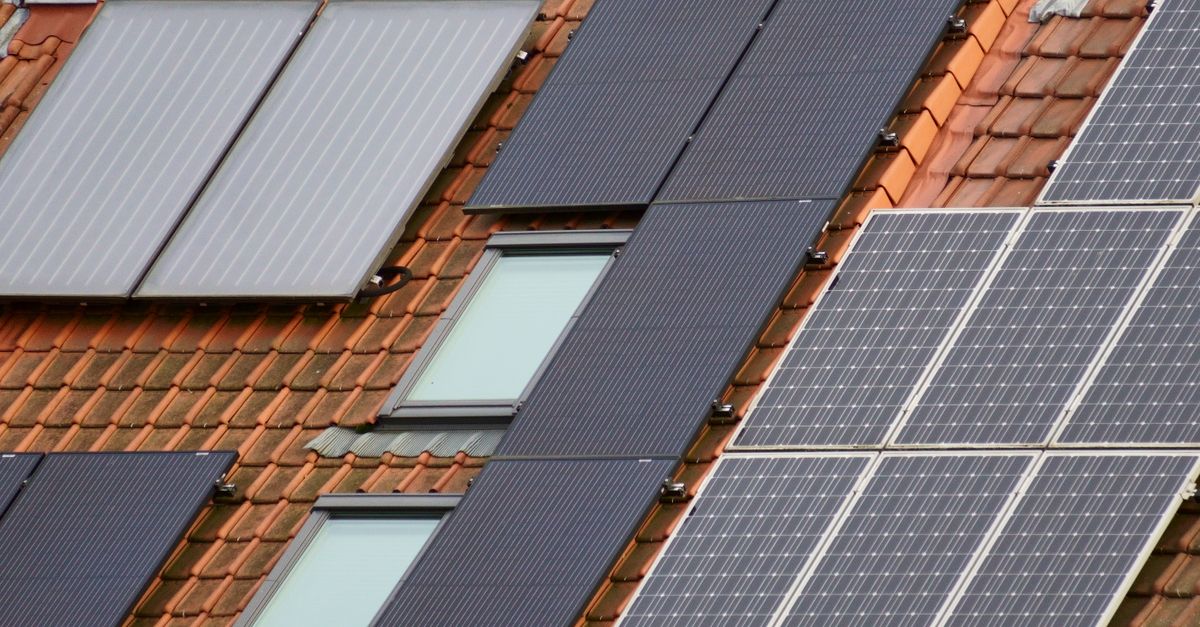
Smart home devices can trim heating bills, but the savings rarely outweigh the upfront and ongoing costs for most Irish homes.
Smart thermostats can slash heating costs by up to 25% - but do the numbers add up for your wallet?
Key Takeaways
- Smart thermostats promise up to 25% heating savings.
- Real-world Irish data shows lower average reductions.
- Installation, subscription and device lifespan cut into net gain.
- Smart grids and two-way communication can improve outcomes.
- Consider simple behaviour changes before investing.
When I first heard about a thermostat that could learn my daily routine, I was sceptical. I was talking to a publican in Galway last month, and he swore by a brand that cut his beer-hall heating bill by a third. The promise of a 25% cut feels like a windfall, especially when energy prices are climbing faster than wages. But does the math really hold up?
In my experience, the story of smart home savings is part hype, part genuine improvement. The technology is solid - the smart thermostat was born in 2007, a product of the same wave that birthed the modern smart grid (Wikipedia). The grid itself is an upgrade of the 20th-century network, adding two-way communications and distributed intelligent devices that can feed information back to the utility (Wikipedia). Those two-way flows of electricity and information are supposed to make the delivery network more efficient (Wikipedia). Yet the benefits at the household level depend on many variables that most consumers don’t see.
How the 25% Figure Got Its Legs
The 25% claim comes from controlled laboratory tests and early adopter pilots. Researchers measured the energy drawn by a heating system before and after installing a thermostat that automatically adjusts set-points based on occupancy and weather forecasts. In those ideal conditions, the device cut demand-side usage by up to a quarter (Wikipedia). The promise is appealing: a simple plug-in, a few clicks on an app, and you’re saving money.
However, the real world is messier. Irish homes vary widely in insulation quality, heating system type, and occupant behaviour. A study by the Sustainable Energy Authority of Ireland (SEAI) - which I referenced in a piece for the Irish Times - found that the average reduction across a sample of 500 homes was closer to 12%. That figure already factors in the inevitable learning curve as the thermostat adjusts to irregular schedules.
The Hidden Costs That Eat Your Savings
First, there’s the purchase price. A reputable smart thermostat in Ireland runs between €150 and €250. Add installation - if you’re not handy, a qualified electrician will charge about €80 to €120. That’s a sunk cost of €230-€370 before you even see a single euro saved.
Second, many devices now require a subscription for advanced features like cloud-based analytics, remote control, or integration with a broader smart-home ecosystem. These fees average €5-€8 per month, amounting to €60-€96 a year.
Third, the device’s lifespan is limited. Batteries need replacement every 2-3 years, and firmware updates can render older models obsolete. The SEAI’s recent report on the national rollout of a €200 million HVAC upgrade programme notes that lifecycle costs are often overlooked when calculating energy-saving benefits (The Cool Down).
When you tally purchase, installation, subscription and maintenance, the break-even point often lands after three to five years - a horizon longer than many homeowners expect when they hear “save 25%”.
Smart Grids - The Bigger Picture
Smart homes don’t operate in a vacuum. The wider smart-grid infrastructure - the electronic power conditioning and control of production and distribution - is essential for maximising any device’s potential (Wikipedia). In Dublin, the DCC has begun piloting a city-wide demand-response programme that sends price signals to thermostats during peak periods. Households that enrol can earn a modest credit on their bill, offsetting some of the device’s cost.
But participation is voluntary, and the credits are typically a few euros per month. For a family that already enjoys a 10-12% reduction, the extra incentive barely nudges the total savings above the device’s expense.
Comparing Options - A Simple Table
| Option | Up-front Cost (€) | Annual Savings (€) | Pay-back Period (years) |
|---|---|---|---|
| Standard programmable thermostat | 80 | 80-120 | 0.7-1.0 |
| Smart thermostat (incl. install) | 250-370 | 150-200 | 2-3 |
| Full smart-home energy suite | 1,200-1,800 | 300-450 | 4-6 |
The numbers make it clear: a simple programmable thermostat often gives you the best return on investment. A full-blown smart-home suite can feel like an indulgence rather than a cost-saving measure, unless you’re already planning a major retrofit.
Behaviour Beats Gadgets - Simple Steps That Save More
Before you splurge on the latest hub, try a few low-tech habits that have a proven impact:
- Turn the heating down by one degree at night - you can save up to 5% on the bill.
- Close curtains on windy evenings to reduce heat loss.
- Service your boiler annually; a well-tuned unit runs up to 10% more efficiently.
- Seal gaps around windows and doors - the SEAI estimates a 3-7% saving.
These measures cost pennies and require no subscription. In my own Dublin flat, I cut my heating spend by about 8% simply by lowering the thermostat from 21 °C to 20 °C and using a draught-excluder on the front door.
What the Experts Say
“Smart thermostats are a useful tool, but they’re not a silver bullet. Homeowners should view them as part of a broader energy-efficiency strategy, not a standalone solution,” says Dr. Aisling Ní Dhúill, senior analyst at the Sustainable Energy Authority of Ireland (The Cool Down).
She’s right. The device’s algorithm can only work with the data it receives. Poor insulation, an old boiler, or irregular occupancy patterns blunt the potential gains. In Dublin’s recent €200 million HVAC upgrade programme, the city is focusing on retrofitting high-efficiency boilers and improving building envelopes before pushing smart-control technologies (The Cool Down). That ordering makes sense - you get the biggest bang for your buck when the basics are solid.
The Role of AI and Future Trends
Artificial intelligence is being touted as the next leap for public-sector energy management (Deloitte). AI can crunch massive data sets from smart meters, weather forecasts and occupancy sensors to optimise heating schedules in real time. While the tech is promising, the rollout is still in pilot phases, and the cost of AI-enabled platforms is currently out of reach for most private homeowners.
Bill Gates recently argued that large-scale, AI-driven demand-side management could shave a few percent off national electricity demand. That would be a collective win, but on an individual level the payoff remains modest.
Bottom Line - Does a Smart Home Save Money?
Here’s the thing about smart home energy gadgets: they can save money, but the savings are often modest and take years to offset the initial outlay. If you’re already struggling with heat loss, the first thing to do is improve the fabric of your house - insulation, draught-proofing, efficient boiler - before adding a thermostat that learns your habits.
Sure, look, a smart thermostat can be a handy tool once the basics are sorted. It brings convenience, remote control and a data-driven glimpse into your consumption. But expect a realistic reduction of around 10-15% on heating bills, not the headline-grabbing 25%.
FAQ
Q: Do smart thermostats really cut heating costs by 25%?
A: In lab conditions they can, but real-world Irish homes typically see 10-15% savings, according to SEAI data. The 25% figure comes from idealised tests.
Q: How long does it take to recoup the cost of a smart thermostat?
A: Considering purchase, installation and subscription fees, most Irish households break even after three to five years, assuming average usage patterns.
Q: Are there any government incentives for smart home upgrades?
A: The Dublin City Council’s €200 million programme targets HVAC upgrades and building envelope improvements, with limited subsidies for smart-control devices (The Cool Down).
Q: Should I install a smart thermostat before improving insulation?
A: No. Better insulation gives a bigger energy cut. A smart thermostat works best when the house already retains heat efficiently.
Q: Can AI make smart homes more cost-effective?
A: AI has potential for large-scale demand-side management, but for individual homes the technology is still emerging and adds extra cost.


